What Are Vinyl Car Wraps?
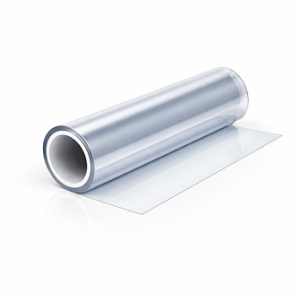
A vinyl car wrap is a thin adhesive film, usually 3-4 mils thick, pressed directly onto a vehicle's exterior panels. No paint, no primer, no body shop. The film sits on top of the factory finish and changes the look — color, texture, sheen — without touching what's underneath.
Pull it off and the original paint comes back, provided the job was done right. That's the difference between wrapping and respraying. Vinyl wraps for cars also hold up in real conditions: daily UV exposure, minor scratches, road debris. Good automotive-grade vinyl films are built to last 5–7 years and stay looking sharp the whole time. For anyone new to wrapping, that's a solid starting point.
How Much Does a Vehicle Wrap Cost?
Vinyl auto wraps pricing comes down to four things: film quality, finish type, brand, and how much material you actually need.
Budget films exist, but they cut corners on adhesive strength, air-release channels, and longevity. Some brands cost more per roll, because the film lays flatter, stretches further, and doesn't lift at the edges six months later. You get what you pay for on a car that's outside every day.
The finish type also shifts the price. Gloss is typically the most accessible. Chrome, color shift, and ultra-matte options sit at the higher end.
Buying by the roll gives you more control than pre-cut kits. You decide how much to order based on your vehicle, cut what you need, and avoid paying for material that doesn't fit. Buying rolls means you're not locked into someone else's estimate.
Find Your Style With the Right Vinyl Vehicle Wraps Finish
The finish you pick changes everything about how a car reads on the road.
Gloss is the classic move — deep, vibrant color with a wet-paint look at any angle. Matte kills the reflection entirely, gives the car a raw, flat stance. Satin splits the difference: a soft sheen that reads expensive without trying too hard.
Chrome and color shift are a different category. Chrome delivers a mirror-like surface that reflects everything around it: sky, street, movement. Color shift is more subtle: the hue rotates from one shade to another depending on the light and viewing angle.
Carbon fiber vinyl is the go-to for trim pieces, hoods, and roofs, it adds visual weight and a motorsport feel without the actual carbon price tag. And for anyone doing a chrome delete, black satin or gloss wraps the trim cleanly and keeps the look sleek.
Full Wrap vs. Partial Wrap: Which One Do You Need?
Full car vinyl wraps change everything at once: roof, doors, hood, bumpers, fenders. One consistent finish across the whole exterior. For most sedans and coupes that's 50-60 feet of film. SUVs and trucks need more, usually in the 75-100 foot range.
Partial wraps are more surgical. You pick the panels — a blacked-out roof, a wrapped hood, chrome delete on the trim — and leave the rest. Lower material cost, quicker to apply, and often just as impactful as a full job when the design is clean.
Wraps are built for both approaches. If you're doing a full transformation or just adding contrast to one section, the film handles it the same way. Figure out your scope first, then calculate your footage.
How to Calculate How Much Vinyl Wraps for Cars You Need
The width question is easy — 60 inches covers the standard roll and handles most body panels without a seam. Length is the part that needs actual math.
Start here: compact cars take roughly 50-60 ft, sedans 60-75 ft, trucks and SUVs 75-100 ft. That's for a full wrap. Partial jobs are simpler — measure each panel you're covering, add them up, then build in a 10-15% buffer for overlaps and any sections that need a second attempt.
Before anything goes down, the surface needs a proper clean. Wax residue and road film break the adhesive bond — run a dedicated surface cleaner across every panel first. Then the applicator does the work: steady pressure, center outward, no trapped air underneath.
Not sure your estimate is right? We consult before orders go through. A two-minute conversation about your vehicle and coverage plan saves you from ordering short or paying for film you won't use.